Residential Painting Contractor Beach Park
Your property needs a Beach Park painting specialists that understands salt, UV, and humidity. We implement professional-grade materials, SSPC/NACE surface prep, and certified application methods. Expect potable-water washing with neutralizing solutions, measured dry film thickness, proper timing between coats, and moisture management. Inside, we implement low-VOC, mildew-resistant coatings and industry-certified sealants with strict RH management. We handle HOA compliance, light reflectance values, financial planning, and detailed quality assurance. Our team coordinates progress checkpoints and end-of-day reports. Discover how we safeguard your investment.
Key Points
- Regional waterfront experts providing marine-grade coatings designed for salt air, high UV, and dampness in Beach Park environments.
- SSPC/NACE surface preparation with chloride elimination, verified DFT, adhesion verification, and manufacturer-specified recoat windows for enduring performance.
- Detailed property assessments evaluating site conditions, material composition, moisture presence, and accessibility to deliver exact project scope, cost estimates, and timeline.
- Our certified and insured teams maintain OSHA safety training, thorough QA/QC documentation, full warranty coverage, and validated specification records and VOC regulatory compliance.
- Featuring interior and exterior solutions with washable, mildew-resistant interior surfaces, combined with UV-stabilized and salt-spray-tested exterior coatings adapted to specific microclimate requirements.
The Critical Role of Local Coastal Experience
Although any contractor can paint surfaces, a Beach Park specialist with seaside experience specifies systems engineered for harsh marine conditions, intense sunlight, and moisture. You benefit from prescriptive specifications that correspond to coastal microclimates, substrate type, and exposure class. A local expert recognizes tidal corrosion cycles, windborne chlorides, and thermal loading that compromise films and fasteners. They specify seaworthy compounds, eco-conscious treatments and UV-stabilized topcoats with documented perm ratings and adhesion values. You'll get fastener-compatible primers that reduce metal deterioration and pH-balanced solutions for stonework. They confirm performance and exposure ratings, then align dry-film thickness and recoat intervals with warranty requirements. Local knowledge reduces lifecycle cost, limits callbacks, and maintains material longevity, seal effectiveness, and color retention in demanding marine environments.
Exterior Preparation Steps for Salt, Sun, and Humidity
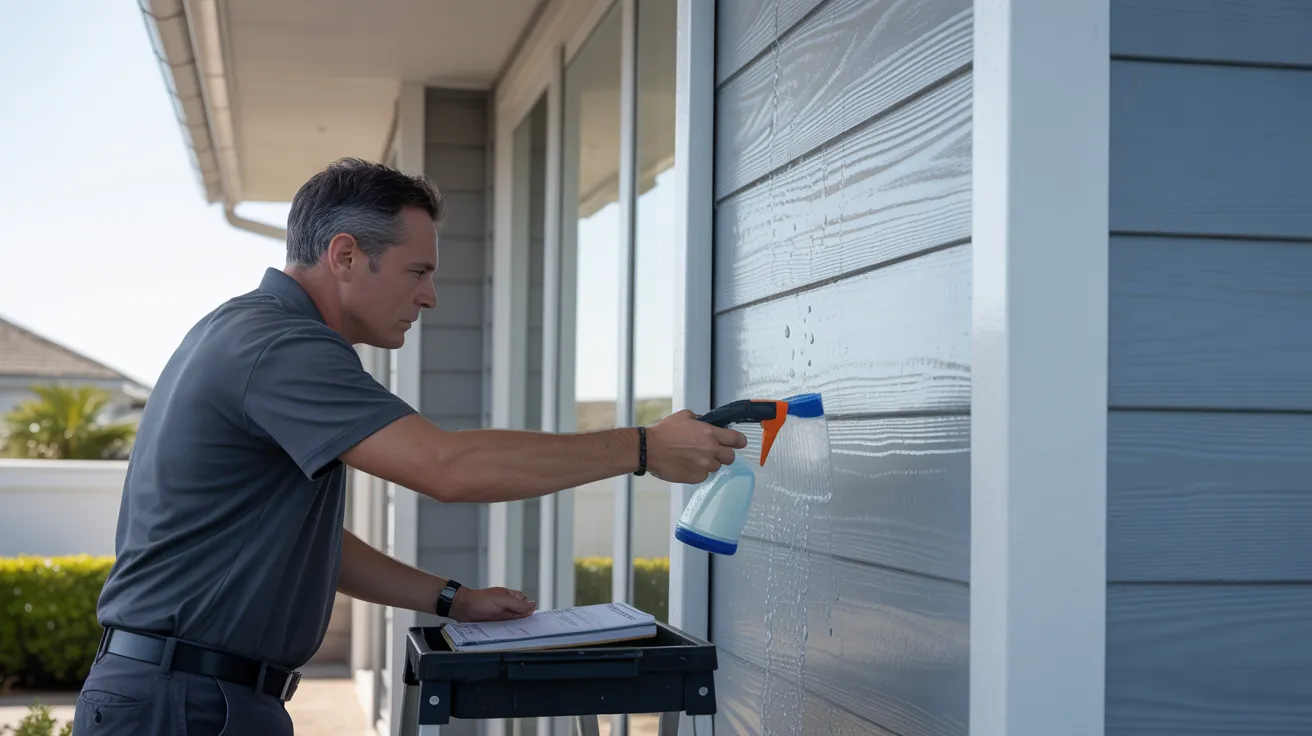
Before starting the project, develop a shore-appropriate surface profile with careful preparation adapted for maritime conditions. Power-wash with potable water, then eliminate chlorides by applying a salt neutralizing solution; verify with a chloride detection kit. Mechanically abrade to Surface Preparation standards, feather failing edges, and spot-prime bare substrates. For ferrous metals, remove rust to near-white metal; for cement-based materials, fix surface imperfections following product specifications.
Choose UV-protective primers with salt tolerance and offer minimal moisture permeability suitable for the substrate. Properly seal cut surfaces, fastener points, and grain ends. Utilize a pin meter to measure moisture content; refrain from coating beyond manufacturer recommendations. Use moisture control measures: begin coating work in early hours, maintain adequate air circulation, and maintain ASTM specifications for dew-point variance to prevent flash rusting and surfactant bleeding.
Indoor Painting Services for Active Coastal Residences
Create interior environments for resilience first, then aesthetics, since seaside, frequently accessed environments need treatments that protect against wear, moisture with salt content, and repeated cleaning. Select cleanable, low-VOC, mold-resistant interior finishes that satisfy local building regulations for air circulation and air safety. In entrance areas alongside coastal walkways, include impact-resistant wall systems, protected trim, and smooth, easy-to-clean sheens to address sand entry and scuffing.
Start with thorough preparation: maintain humidity levels at 40-50% RH, verify substrate moisture using a calibrated meter, then degloss, remove chlorides, and caulk movement joints with ASTM C920 sealants. Back-prime all wood surfaces, patch gypsum, and set all fasteners level. For baths, laundries, and mudrooms, ensure uniform film build at corners and baseboards. Ensure sea spray protection by choosing corrosion-resistant hardware, maintaining tight film continuity, and maintaining proper cure windows.
Selecting Durable Coatings, Paints, and Marine-Grade Primers
Why choose conventional architectural coatings when seaside conditions require treatments developed for salt, UV, and abrasion? You should select resin systems that conform to ASTM and MPI standards: pure acrylic for façades, moisture-activated urethanes for railings, and high-performance epoxies for surfaces affected by splash zones. Pair surface-appropriate primers with powerful corrosion inhibitors on steel surfaces and zinc-enhanced or epoxy primers on galvanized and aluminum.
Pick topcoats containing UV stabilizers to reduce chalking and color fade, and choose low-permeance, salt-spray-tested films according to ASTM B117. For wood, use alkyd-penetrating primers followed by elastomeric or marine-alkyd enamels to allow for movement. On concrete, use vapor-permeable, chloride-resistant coating systems. Follow SSPC/NACE surface conditioning, proper DFT, and manufacturer-approved recoat timeframes. You'll increase service life and lower lifecycle expenses.
Color Consulting Services Customized for Beach Park Settings
We'll help you choose seaside-influenced paint colors that complement Beach Park's coastal environment while accentuating your architectural design. We'll ensure HOA requirements are met by providing color chips and LRV specifications to meet architectural review board criteria. We'll also recommend weather-resistant coatings-including UV-stable pigments, high-solids acrylics, and corrosion-resistant topcoats-to maintain colorfastness and coating durability.
Coastal-Inspired Color Palettes
Even as styles evolve, coastal color palettes remain timeless in Beach Park since they complement the local light quality, maritime atmosphere, and structural context. You can create lasting, harmonious exteriors by selecting light-balanced tones that maintain color stability and work well with coastal surfaces.
Start with a foundation in dune gray to anchor exterior surfaces; its neutral value masks airborne salt residue and sands well under elastomeric or high-build acrylic systems. Layer accents in sea glass-muted blue-green tones with mid-range chroma to diffuse coastal skylight without glare. Adjust Light Reflectance Value (LRV) to avoid heat gain on southern and western faces. Apply corrosion-inhibiting primers on metals, and opt for marine-grade, 100% acrylic topcoats. Finish edges with satin trim finishes for clean shadow lines and standard-meeting clarity.
Community HOA Regulations
When deciding on your color scheme, ensure compliance with your Beach Park HOA's official documentation-including CC&Rs, architectural guidelines, and approved palettes-to eliminate application denials and modifications. You can streamline approvals by providing a comprehensive architectural review package: paint swatches, LRV data, finish schedules, elevations, and lot photos. Verify color restrictions on exterior surfaces, trim work, and accent areas, along with sheen specifications for façades and doors. Record neighboring home separation to eliminate duplication issues and ensure streetscape harmony guidelines.
We'll handle preliminary consultation meetings, verify submittal windows, and track covenant enforcement timelines to avoid fines or stop-work orders. When dealing with heritage properties, we'll ensure alignment with historical guidelines. Plan for approved samples in daylight conditions, a proportional prototype, and a compliance matrix linking all surfaces to HOA-approved colors and requirements.
Weather-Resistant and Saltproof Coatings
With your HOA compliance plan secured, our color analysis considers Beach Park's salt-laden, high-UV microclimate and how it impacts paint performance and aesthetics. We'll help you select paint systems and combinations specifically formulated for color durability, shine preservation, and chloride protection. We utilize sun-resistant paint systems with premium binding agents, ceramic pigments, and hindered amine light stabilizers to minimize color degradation and fading. For metallic components, we combine zinc-enhanced base coats and anti-corrosion agents to stop underfilm rust as specified by SSPC and ASTM standards.
We'll analyze and verify LRV measurements to regulate heat gain, minimize substrate movement, and prolong film longevity. For masonry and stucco, we suggest vapor-permeable elastomerics with marine-rated mil build, corrosion-resistant sealers, and strict recoat windows. You'll be given a complete substrate-by-substrate breakdown, containing preparation requirements, moisture thresholds, and service timeframes.
The Essential Guide to Screening Contractors
Even small projects run more efficiently when you screen contractors using a comprehensive regulatory-aware checklist. Start by checking their license via the state database to confirm current standing, trade classification, and compliance records. Perform background reviews for litigation history, liens, or safety violations. Ensure insurance coverage: general liability, workers' compensation, and when needed, commercial auto; obtain certificates listing you as certificate holder. Examine their project portfolio featuring comparable substrates, coastal exposure, and coating systems. Conduct reference verifications that address schedule compliance, surface prep standards (SSPC/NACE), and change-order management. Complete a contract review detailing scope, ASTM/SSPC prep levels, primer and topcoat products, film build (mils), warranty terms, site protection, and disposal compliance. Validate permits, OSHA training, and written QA/QC procedures before assigning the work.
What Happens During the On-Site Assessment
Although every project is different, a detailed on-site estimate maintains a structured, code-compliant approach. I begin with a thorough examination to assess surface materials, existing finish, moisture content, and existing damage. You can watch as I carry out adhesion checks, document any corrosion or efflorescence, and check spacing requirements near utilities according to local regulations.
First, I'll record elevations and exposures, including shoreline measurements where water access exists. I'll perform shadow analysis to assess ultraviolet exposure, temperature fluctuations, and drying patterns. I'll record length, area, and trim specifications and accessibility limitations regarding work area preparation and protective barriers.
We'll examine paint systems (primer, intermediate, finish), VOC requirements, and manufacturer guidelines. I'll identify required surface preparation standards (e.g., SSPC/NACE), protection zones, and environmental requirements, then provide a detailed scope with materials, workforce estimates, and warranty specifications.
Project Timeline, Staff Management, and End-of-Day Procedures
Because scheduling affects compliance and quality, we establish a comprehensive timeline that arranges surface preparation, primer application, intermediate layers, and final coatings according to cure times, weather conditions, and coating interval requirements. You'll observe durations, interconnections, and inspection hold points outlined from the start, so trades don't conflict and substrates meet spec. We manage crew resources with crew scheduling, detailed task assignments, and daily safety reviews to ensure production rates predictable and OSHA-compliant. Team leaders check coating coverage, mil measurements, and adhesion tests prior to continuing.
When wrapping up for the day, we implement a standardized end-of-day routine: verifying tool counts, checking containment systems, and disposing of waste per local ordinances. We safely store all equipment, shield vulnerable sections, and maintain adequate airflow, ensuring unobstructed passages and delivering a thoroughly cleaned area to reduce interference and guarantee next-day preparedness.
Product Care, Warranty, and Maintenance Guide
It's essential to secure clear warranty information that specifies coverage, exclusions, transferability, and claim procedures in writing. We'll implement a systematic maintenance plan-including washing, inspection of high-exposure surfaces, and sealant monitoring-to protect film quality and comply with manufacturer specifications. For repairs and touch-ups, you should apply matching coatings, appropriate substrate prep, and manufacturer-approved application techniques to preserve system integrity and warranty compliance.
Warranty Terms Explained
When evaluating a Beach Park painting contractor, demand clear, written warranty terms that specify scope of coverage, duration, and limitations. Require written assurances that outline substrate types covered, coating systems, and types of failure-peeling, blistering, or adhesion loss-per manufacturer specifications. Validate the warranty effective date, transfer options, and labor restrictions, such as problems from water damage, structural changes, or unsuitable cleaners.
Check that surface prep specifications (SSPC/NACE), coating thickness specifications, and application procedures are recorded; the warranty should be nullified exclusively for nonconforming situations within your responsibility. Verify manufacturer and contractor responsibilities are separated: manufacturing flaws versus installation mistakes. Demand a clear resolution-replacement, repainting, or reimbursement-with action timelines and inspection protocols. Secure proof of licensing, insurance, and bond status associated with warranty enforcement. Store copies in an accessible location for future reference.
Routine Maintenance Schedule
Although a warranted coating reduces risk, it demands a systematic maintenance schedule to preserve performance and maintain coverage active. You need to document biannual inspections, based on coastal exposure cycles. During each inspection, verify film integrity, gloss retention, color stability, and adhesion per ASTM D3359 or equivalent. Document substrate moisture content and conduct humidity monitoring to ensure interior RH stays within manufacturer tolerances. Wash surfaces with pH‑neutral cleaners, clearing chlorides, salt spray, mildew, and pollutants that increase degradation. Service gutters, sealants, and weep paths to stop capillary intrusion. Adjust HVAC and ventilation to control condensation risks. Document all findings, photos, and corrective housekeeping in a maintenance record. Follow re-coating intervals outlined in the product data sheet to maintain service life and warranty compliance.
Repairs and Touch-Up Services
Regular maintenance and timely repairs protect coating performance and maintain warranty coverage. Check high-traffic areas and weather-exposed sections quarterly, noting any problems following manufacturer requirements. For hairline fractures, conduct thorough surface prep, prime affected areas, and utilize suitable flexible sealants-ensure caulk matches joint movement and coating chemistry. Handle mildew elimination with EPA-sanctioned products, flush completely to neutral pH, and ensure complete drying to required moisture content before recoating. Implement proper brush application: smooth boundaries, maintain wet edges, and match sheen, color, and coverage rate. Apply touch-up products labeled with lot codes for future reference. Replace damaged sealant and corroded fasteners, treat rusted sections to SSPC standards, and apply approved primer to prepared areas. Verify drying periods, temperature ranges, and moisture levels meet warranty specifications.
Managing the Financial Aspects of Your Painting Project
Starting with scope definition and ending at final inspection, set a detailed budget that corresponds to the project's coating requirements, surface conditions, and area measurements. Develop a detailed cost estimation that includes surface prep, primers, topcoats, masking, access equipment, and waste disposal per local code. Account for labor efficiency metrics, coverage requirements, and mobilization expenses. Calculate alternatives for high-build or low-VOC alternatives.
Evaluate funding choices early. Look into unsecured and secured loan programs, rates of interest, conditions, and fees; confirm no prepayment penalties. Align money releases with key stages-surface readiness, primer assessment, main phase completion, and finishing details-to ensure funding aligns with work completed.
Include contingency arrangements around 10-15% for order modifications: substrate repairs, moisture mitigation, lead-safe compliance, or weather delays. Require documented change orders, revised timelines, and revised budget authorization.
Common Questions and Answers
Do You Help with HOA and Architectural Review Processes?
We manage HOA approvals and architectural review submissions. We offer HOA coordination, compile submittal packages, and verify compliance with required specifications, color schedules, and finish systems. We manage forms, timelines, and board meeting cycles, and we'll deliver Approval guidance to minimize RFIs and resubmittals. We attach product data sheets, sheen levels, and manufacturer warranties, and align scope with CC&Rs. You'll get stamped approvals, documented correspondence, and a confirmed start date contingent on final board clearance.
Do You Collaborate With Other Contractors During Remodeling Projects?
Yes, we coordinate with other trades during remodeling projects. As with a harmonious ensemble, we align project phases, deadlines, and assessments through precise project scheduling and trade partner alignment. We participate in pre-construction meetings, organize workflows to maintain critical paths, and ensure substrate readiness, curing times, and clearances. We maintain code-compliant practices, record RFIs, and maintain look-ahead schedules to eliminate clashes with electrical, plumbing, and HVAC. You'll receive clear updates, daily site checks, and efficient modification processes.
What's Your Policy on Lead-Safe Practices in Older Homes?
You follow EPA RRP protocols for lead-safe work in pre-1978 homes. Before starting renovations, you carry out a thorough evaluation to locate lead-based paint hazards. You implement containment using 6-mil poly, negative pressure, and dust-minimizing techniques. You utilize HEPA-equipped tools, wet methods, and regular cleaning. Control methods reinforce deteriorated paint and manage friction/impact points. You maintain records of occupant protection, worker training, and waste handling, then complete clearance-level cleaning testing before re-occupancy.
Do You Have Eco-Friendly, Low-Emission Alternatives for Chemical-Sensitive People?
Yes, you can environmentally conscious low volatile organic click here compound options designed for sensitive occupants. We specify waterborne acrylics compliant with GreenGuard Gold and SCAQMD Rule 1113 requirements, plus mineral-silicate coatings with Natural Pigments when materials are compatible. We verify VOC content on SDS, ensure proper cure times, and utilize negative air, MERV-13 filtration, and source capture following industry standards. We additionally provide zero-VOC primers, low-odor caulks, and plan off-gassing periods to satisfy code-compliant IAQ targets.
How Is Outdoor Property Protected During Construction Work?
We carefully shield every area before proceeding. You'll see outdoor tarps anchored with heavy-duty edging, pool protection systems installed to avoid unwanted spray, and outdoor furnishings protected in protective covering with labeled, secured hardware. We maintain contained spray areas, implement containment measures following EPA RRP best practices, and control excess spray using protective berms and HEPA-filtered vacuums. We conduct daily inspections, ensure pristine conditions, and maintain detailed records. When we complete the job, you'll find your plants healthy, pools sparkling clean, and outdoor items spotless.
Conclusion
Get ready to protect professional protection and enhancement with industry-standard prep work, marine-grade coatings, and an exact project plan. Trust in corrosion-blocking base coats, sun-resistant finishing layers, and organized, confined painting spaces. Take for instance a Bayshore Drive duplex that achieved a 40% reduction in repainting frequency using flexible masonry coating and a 100% acrylic urethane system, verified through coating depth checks and adherence verification. You can expect detailed pricing, financing alternatives, and a written guarantee-plus a care strategy that preserves lasting quality for frequently used rooms and coastal exterior surfaces.